First Stop – Ol Pejeta

Updated: Aug 6
June 8-10

We had an hour-long drive to the airport for a 50-minute flight from Wilson Areodrome to the Kamok airstrip for our first safari stop in the Ol Pejeta Conservancy.
Safaris traditionally took place in national parks, but in the past 30 years, conservancies have played an ever increasing role in wildlife management and allowed more communities to capitalize on the tourism generated by well managed wildlife.
(The following information was sourced from the Kenya Wildlife Conservancies Association website)
Kenya has lost nearly 70% of its wildlife in the past 30 years. Loss of space and connectivity, increasing development pressures and impacts of climate change is threatening Kenya’s iconic wildlife, its multibillion tourism industry and livelihoods for rural communities. Conservancies offer hope.
A wildlife conservancy is land managed by an individual landowner, a body or corporation, group of owners or a community for purposes of wildlife conservation and other compatible land uses to better livelihoods.
With sixty five percent (65%) of Kenya’s wildlife live in community and private lands, conservancies provide connected landscapes that complement national parks and reserves while enabling communities to benefit from wildlife management and in turn be at the heart of championing conservation efforts.
In Kenya today, conservancies are a recognized land use under the Wildlife Act 2013, making them an attractive land use option for communities and landowners as they offer improved land and resource rights and access to incentives.
By placing communities at the center of wildlife conservation and improving conservation incentives, conservancies in Kenya are securing livelihoods while reversing wildlife decline, resulting in the protection of Kenya’s iconic wildlife for future generations. In the Maasai Mara, for example, 15 conservancies protect over 450,000 acres of a critical habitat for the great Serengeti-Mara wildebeest migration. This has seen the lion population double over the last decade.
Currently, Kenya boasts of 167 conservancies, which cover over 6.35 million hectares of land (11% of Kenya’s land mass), directing benefiting 930,000 households and directly providing job opportunities to over 4,500 conservancy employees.
In addition to sparking the development of social amenities in rural communities and hosting large numbers of wildlife, conservancies in Kenya are home to some of the world’s most endangered species, such as the Black and White rhinos, Grevy’s zebras, Hirola, wild dog, giraffes and elephants.

Now that you've had that lesson, lets get back to the safari!
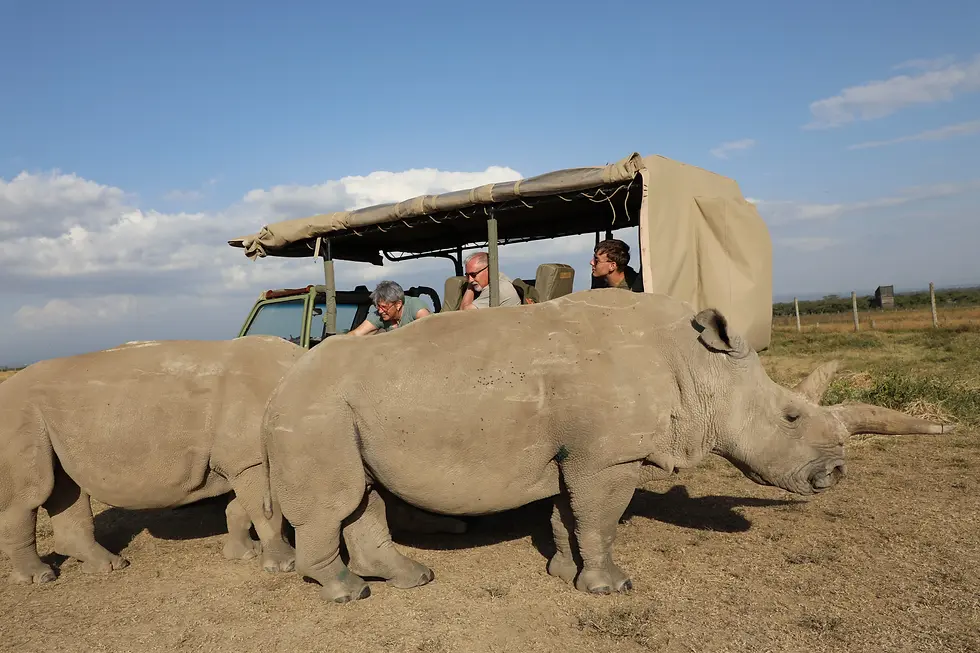
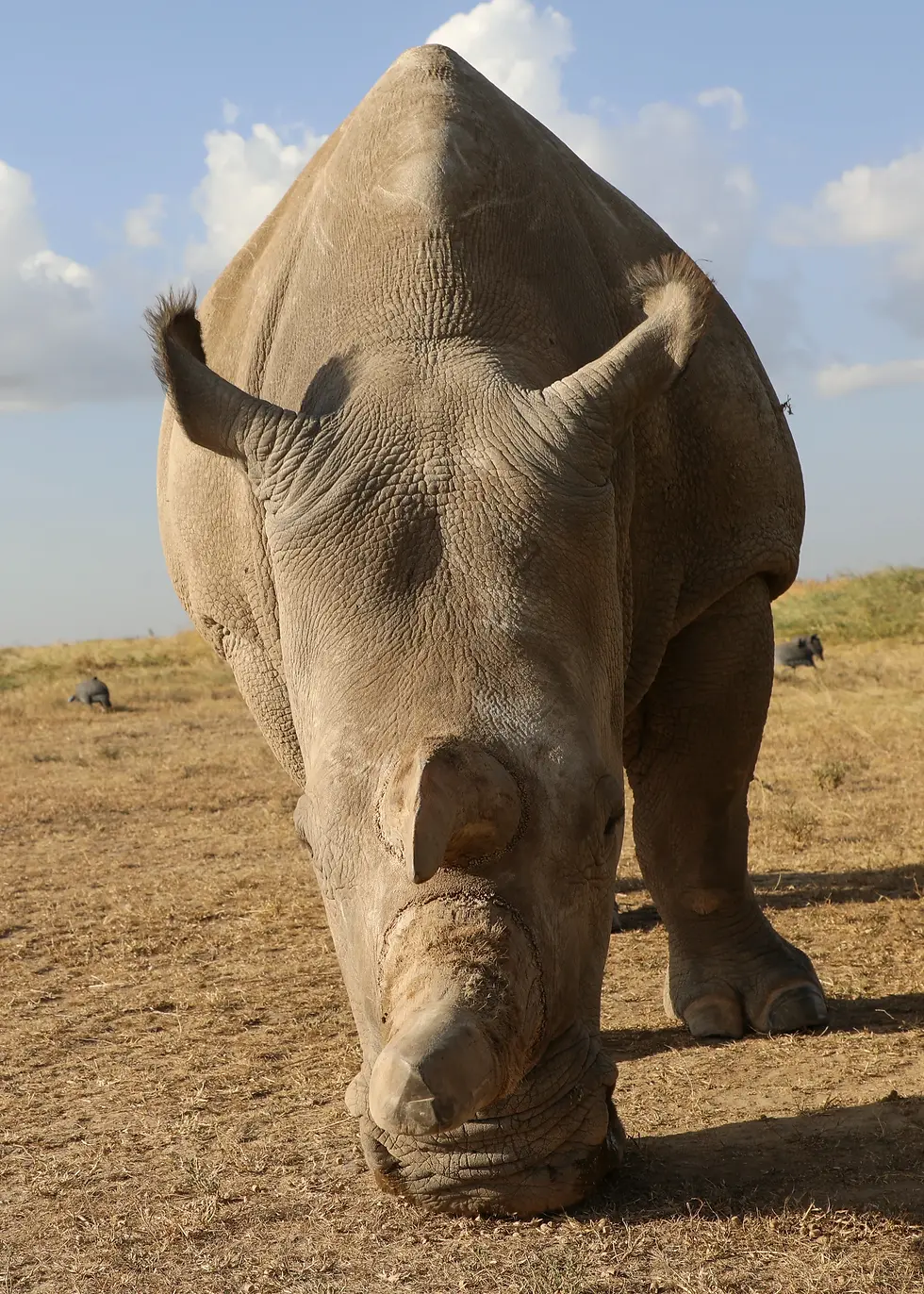
Ol Pejeta is northwest of Nairobi and just to the west of Mt. Kenya. It straddles the equator and sits nearly 6000 feet above sea level. That part of Kenya is slightly arid grasslands, and it offered us a great kickoff for our safari adventure.The grasslands are the perfect environment for grazing animals, including the most endangered animals in Africa – rhinos. This 90,000 acre conservancy is home to 180 eastern black rhinos, 50 southern white rhinos and the last 2 northern white rhinos left in existence. It is magical to see these gigantic beasts.
In addition to these free roaming rhinos, the Conservancy is home to the last two Northern White rhinos. I mean THE LAST TWO on the planet. I won’t get up on my soap box about how the human race got itself to this point. I’m happy to report that Kenya recently changed it’s laws to allow suspected poachers to be shot on sight.
The Last Hope
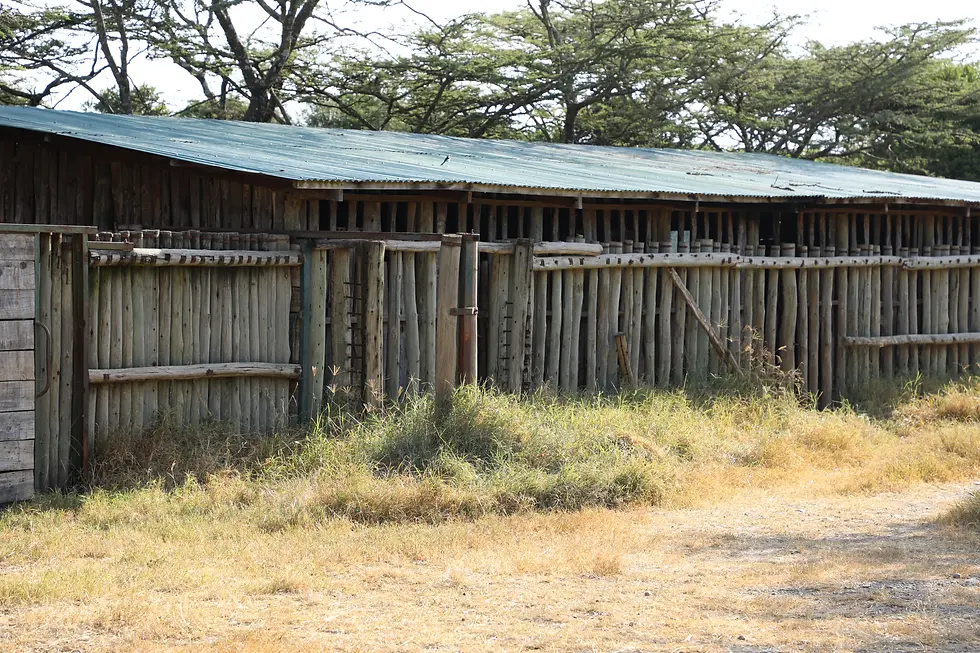
These two precious rhinos are mother and daughter. They live in a highly protected enclosure within Ol Pejeta. The 12 foot high multi-strand electric fence carries 6000 volts. It’s purpose is to stop DEAD anything or anyone who might attempt to access these animals without permission. Visitors to the conservancy can make an appointment to visit the Northern rhinos. Yes, there is a fee and it was worth every shilling!

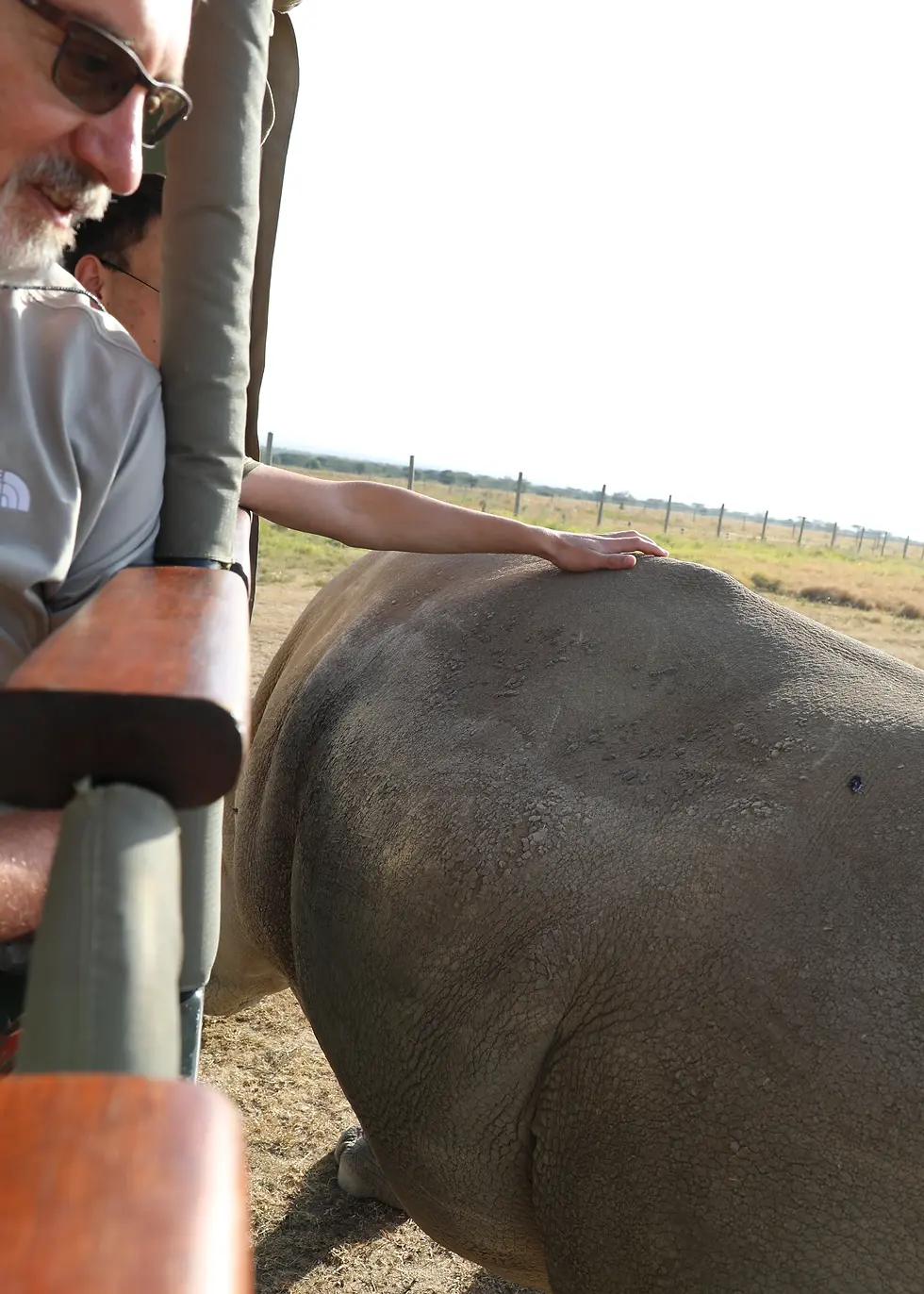


This place is also home to another special rhino, Baraka. Born in 1994 within what is now the Ol Pejeta Conservancy, he lost an eye fighting with another rhino in 2008 and later cataracts claimed his other, leaving him completely blind and unable to survive in the wild. He as moved into his own 100-acre enclosure. Handlers spent years with Baraka to make him as tame as a rhino can get. Guests are allowed to stand by the fence and offer him feed. If he’s in the mood for company, you can pet him.

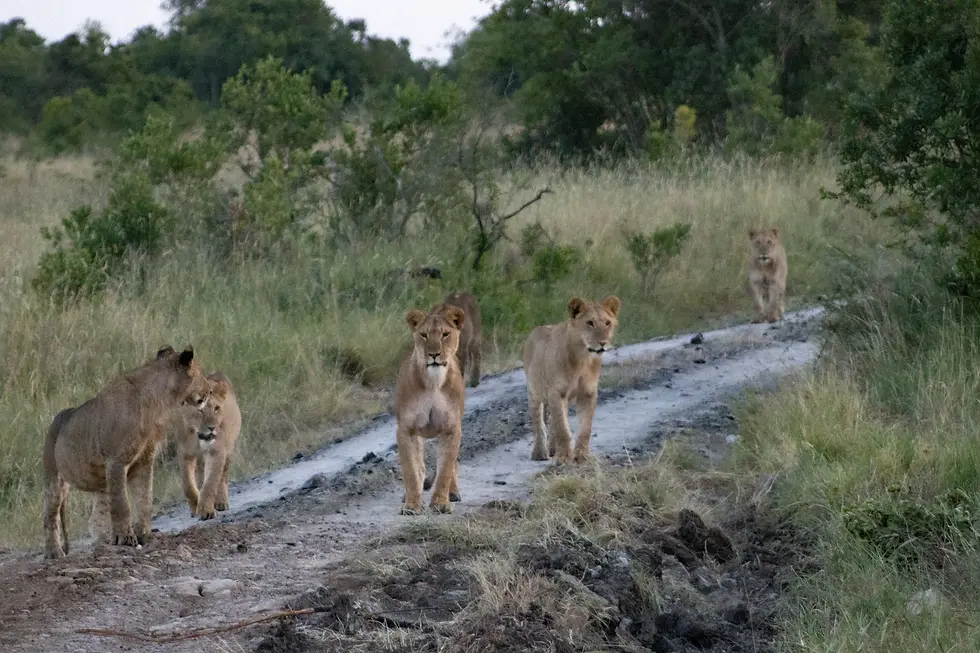
There is also a healthy population of lions in Ol Pejeta. There’s just over 90 lions making up 6 prides. Four of the prides wear GPS collars used to track them and avoid lion encounters with the rhinos.

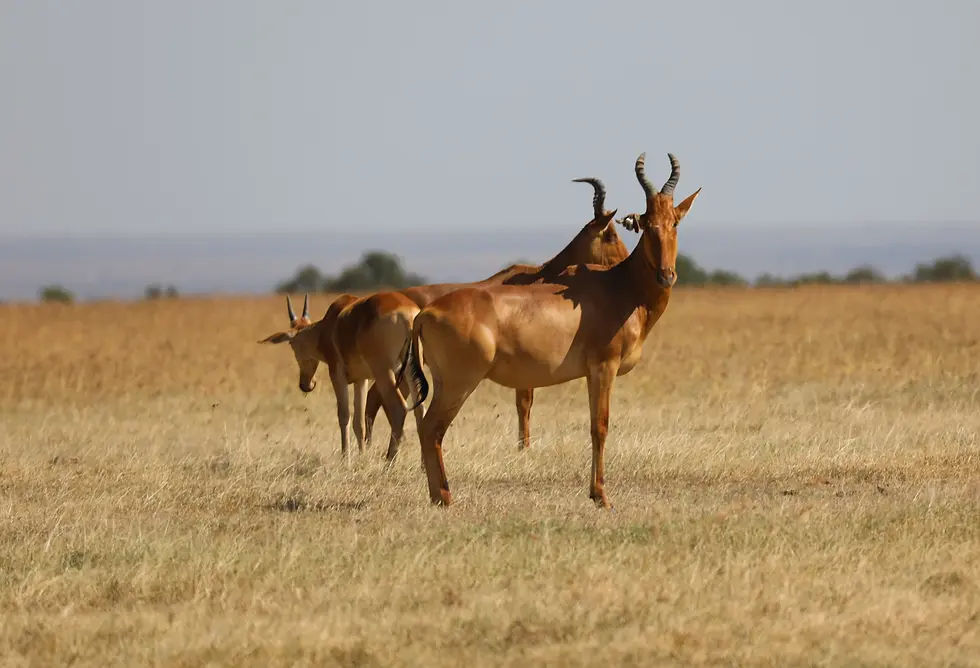
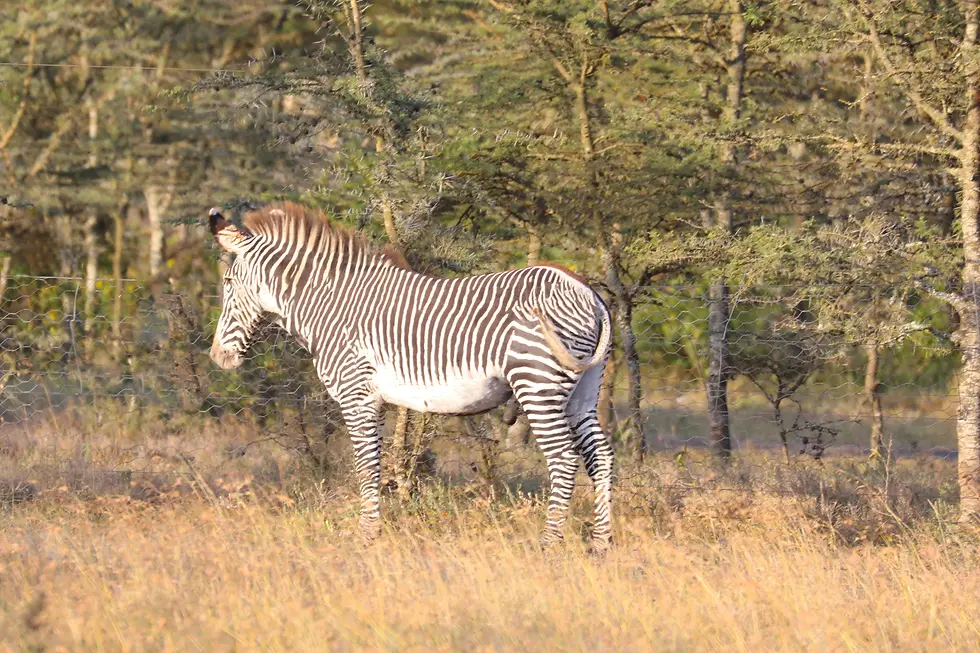
Two of the other very special endangered species the Ol Pejeta works to breed are the Jackson’s hartbeest and the Grevy’s zebra.
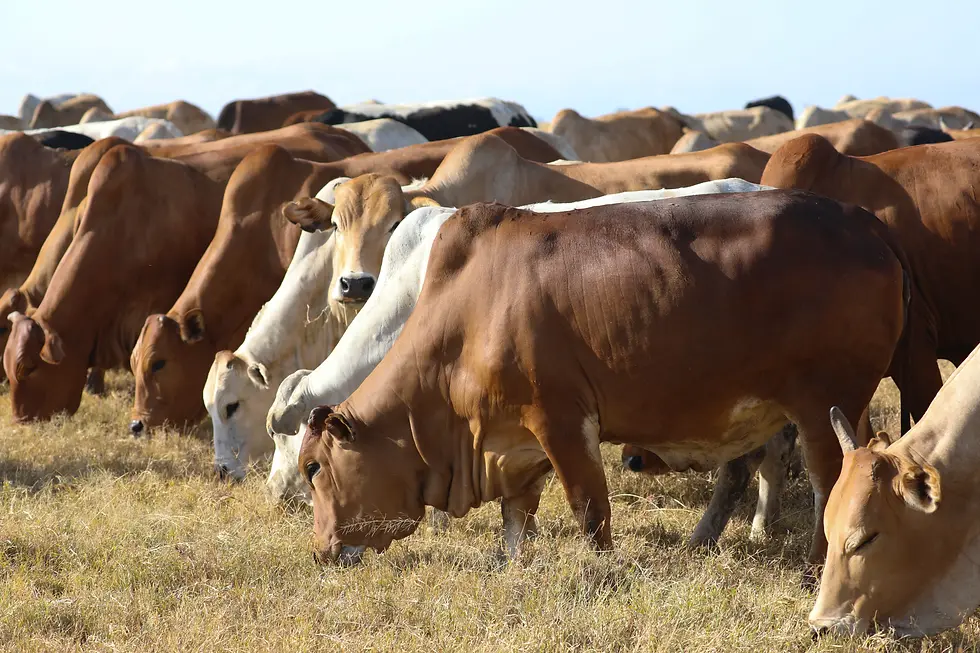
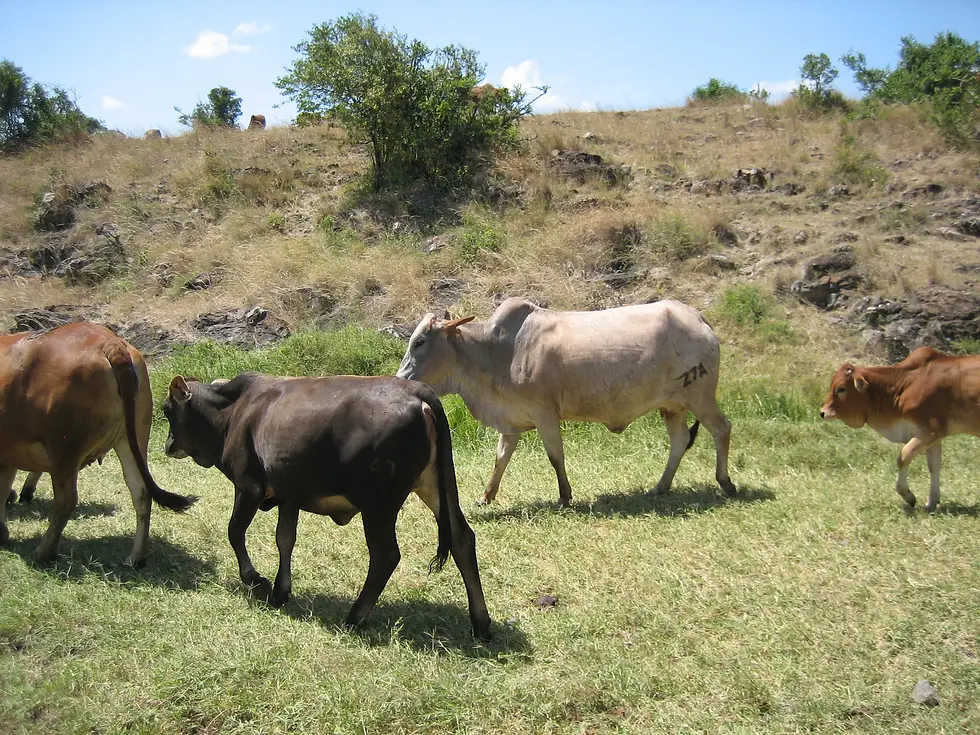
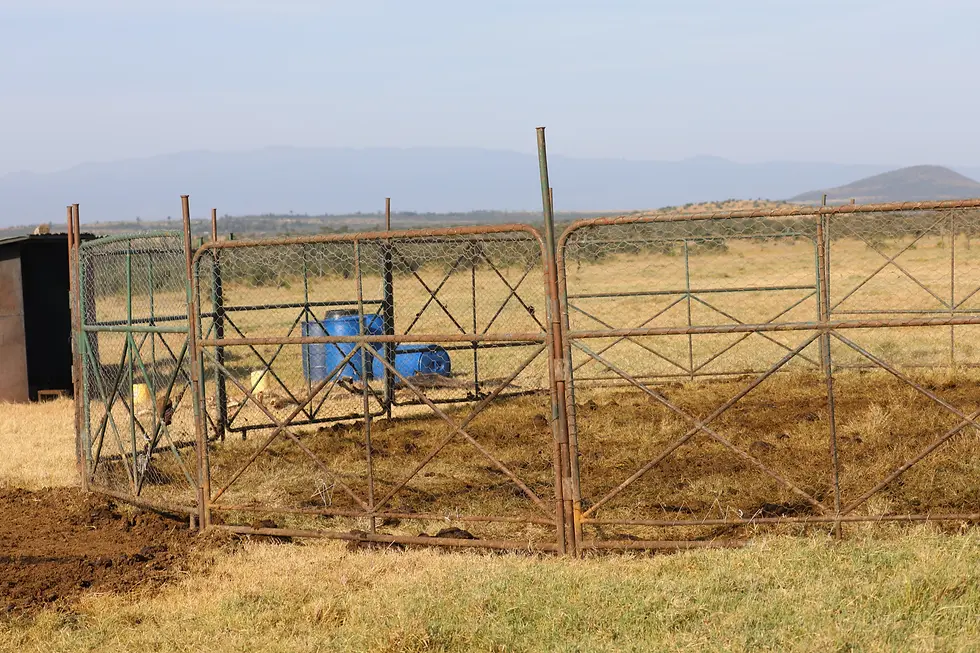
Fascinatingly, the Conservancy also runs over 7000 head of cattle. Broken up in herds of one to two hundred, the cattle always have human herdsman with them and the some of the cattle wear GPS tags. They use a version of intensive grazing to improve soil health and grass quality. The cattle are penned at night to protect them from lions and leopards. Ol Pejeta has opened a packing plant on site and offers a marketing service for local beef producers.
Reticulated giraffes inhabit the northern regions of Kenya.

Who doesn't love an elephant parade!
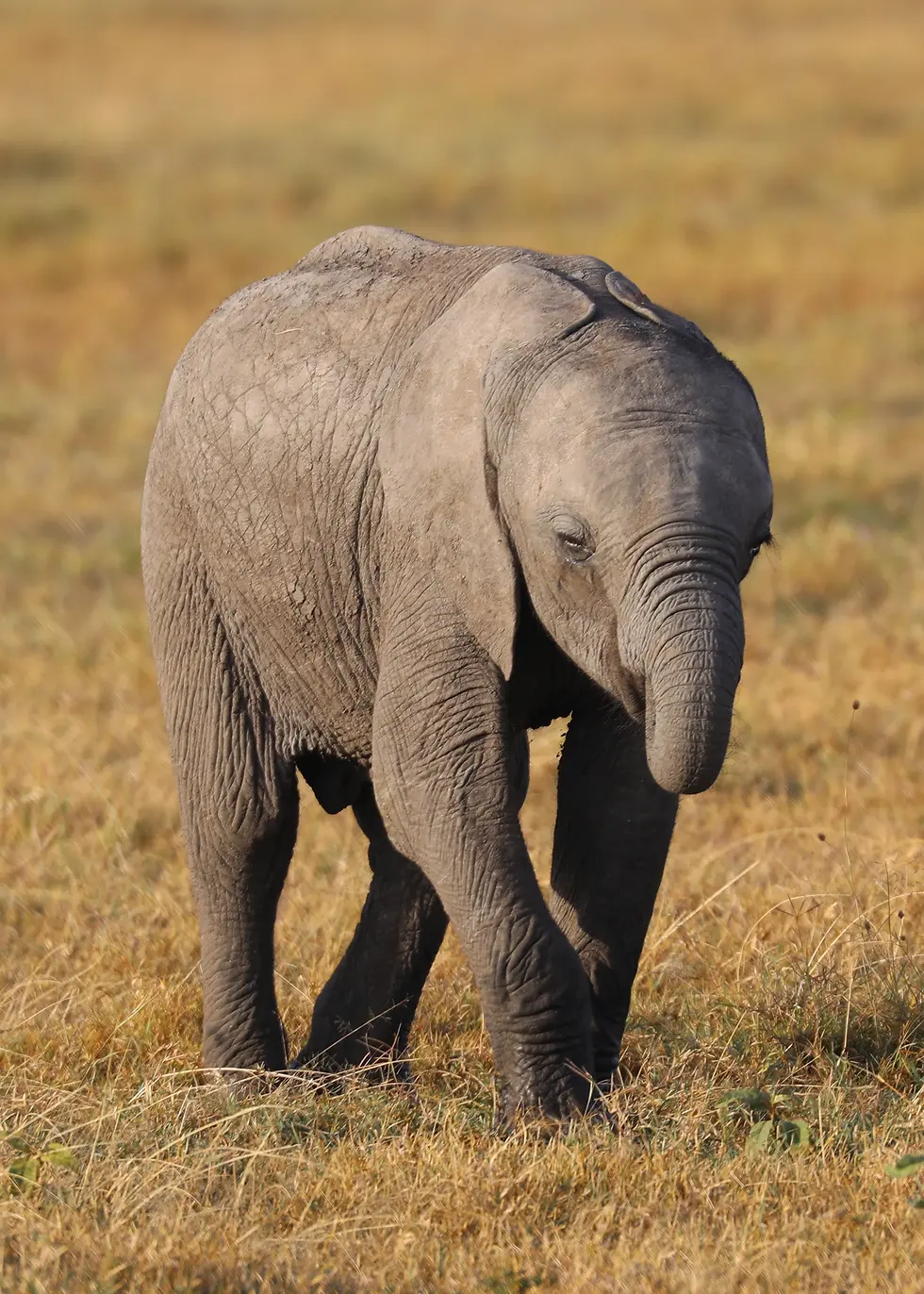
This baby could have easily drank out of the trough, but he insisted on drinking out of the tank like the big kids did.
This mama and baby common zebra were among my favorites. Baby had decided to take a nap in the middle of the road and mama was standing guard. She had that look that was somewhere between fed up mom and “Don’t you dare come near my baby!”

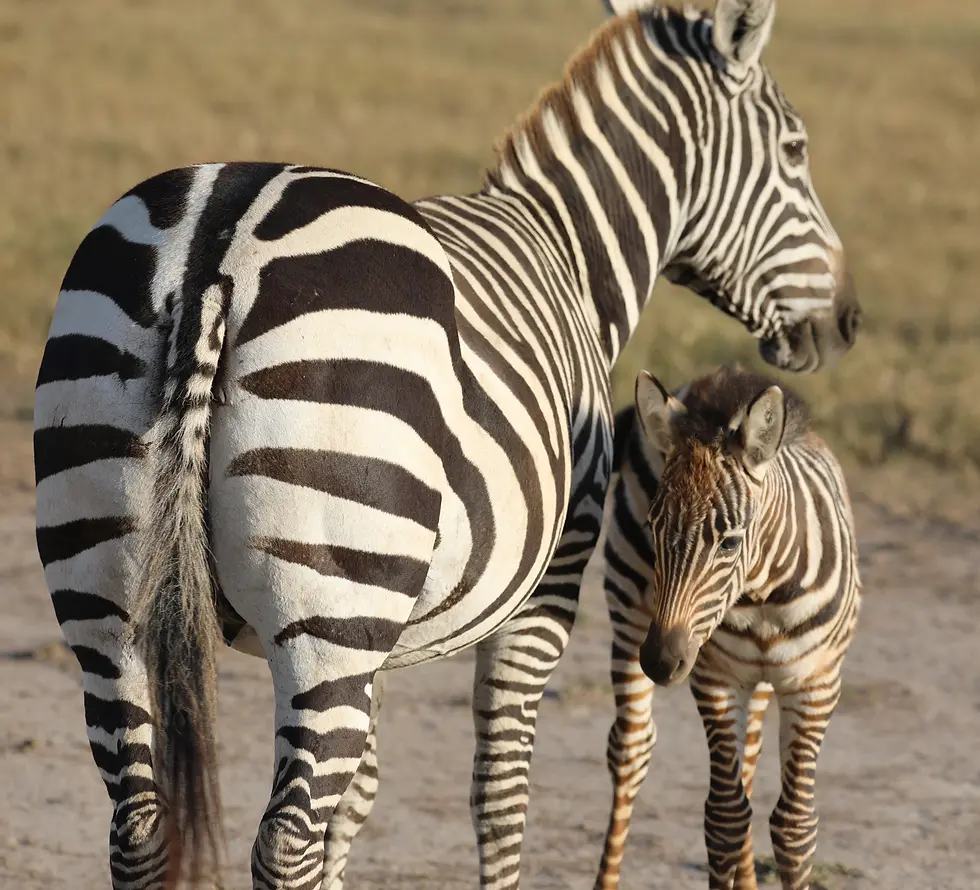
We sat there in the truck for quite a while. Nap time ended then we had to wait for snack time to finish up as well. Did you know baby zebras are born with brown stripes that gradually change to black. It help camouflage the babies when they are most vulnerable.
There is a wide variety of other species call this place home.
Tent safari does not mean roughing it!
There are 8 “camps” in Ol Pejeta and we stayed a the Bush Camp.

Although technically a tent, most safari tents offer electricity, hot running water, flush toilets and king sized beds.
Our tent at this camp had a wrap around porch, Adirondack chairs, a canvas wall that separated the bathroom from the bedroom and separate spaces for the toilet and shower. Dennis had his own tent!
Breakfast at Ol Pejeta is served on the savanna.
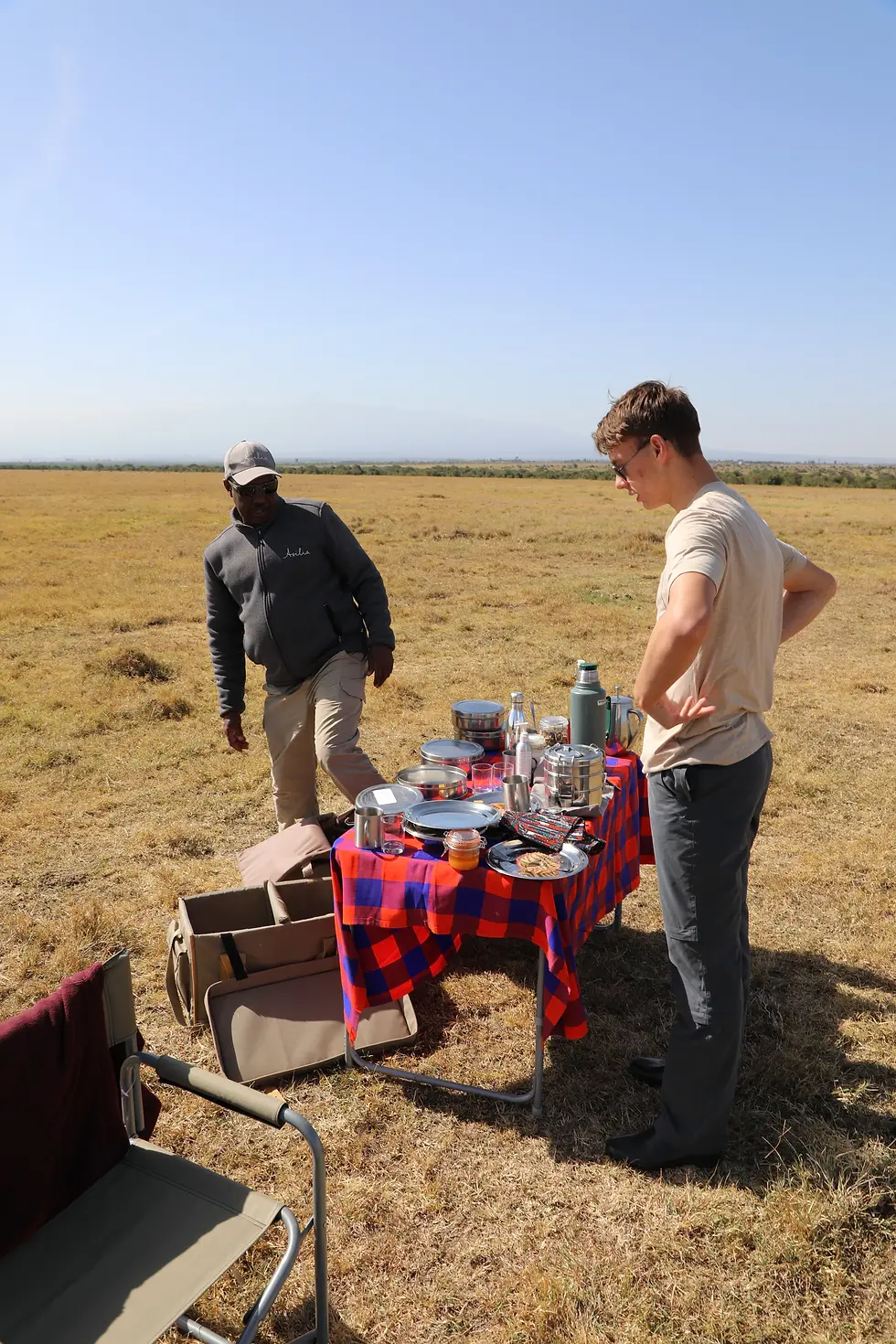
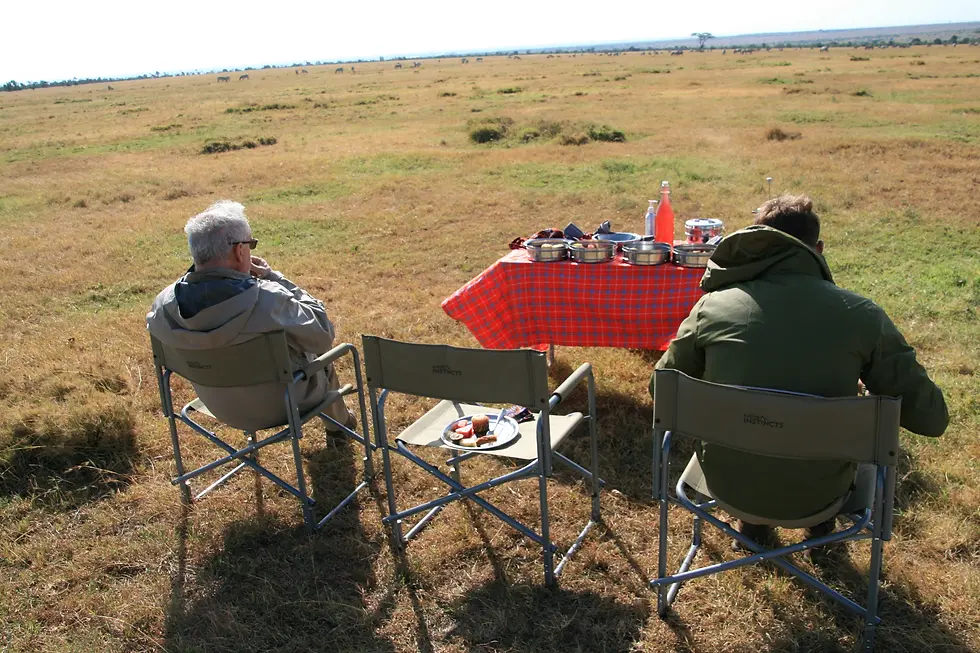
Safaris are all about game drives. There are usually a morning and evening drive, hoping to find animals when they are most active. Our guide Abdi was an absolute rock star!
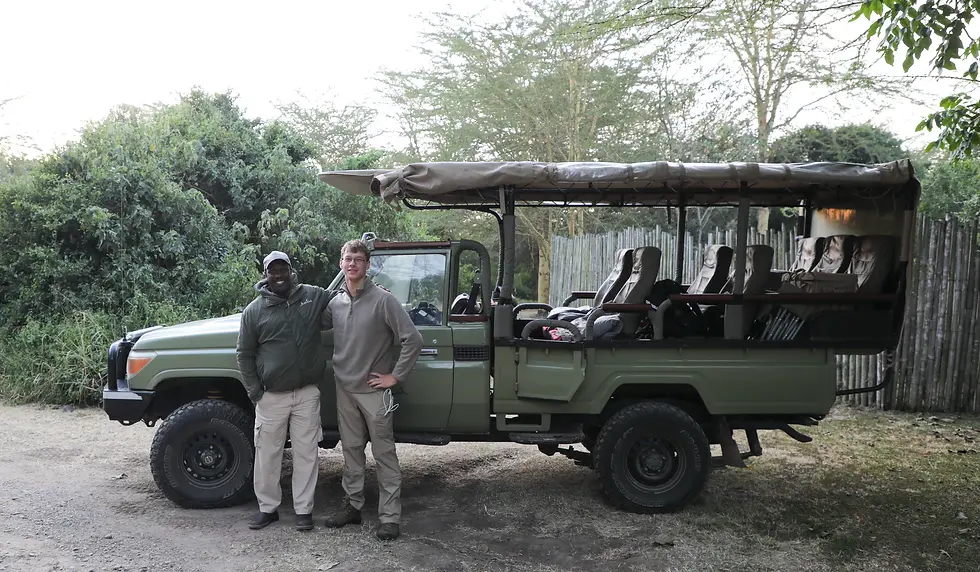
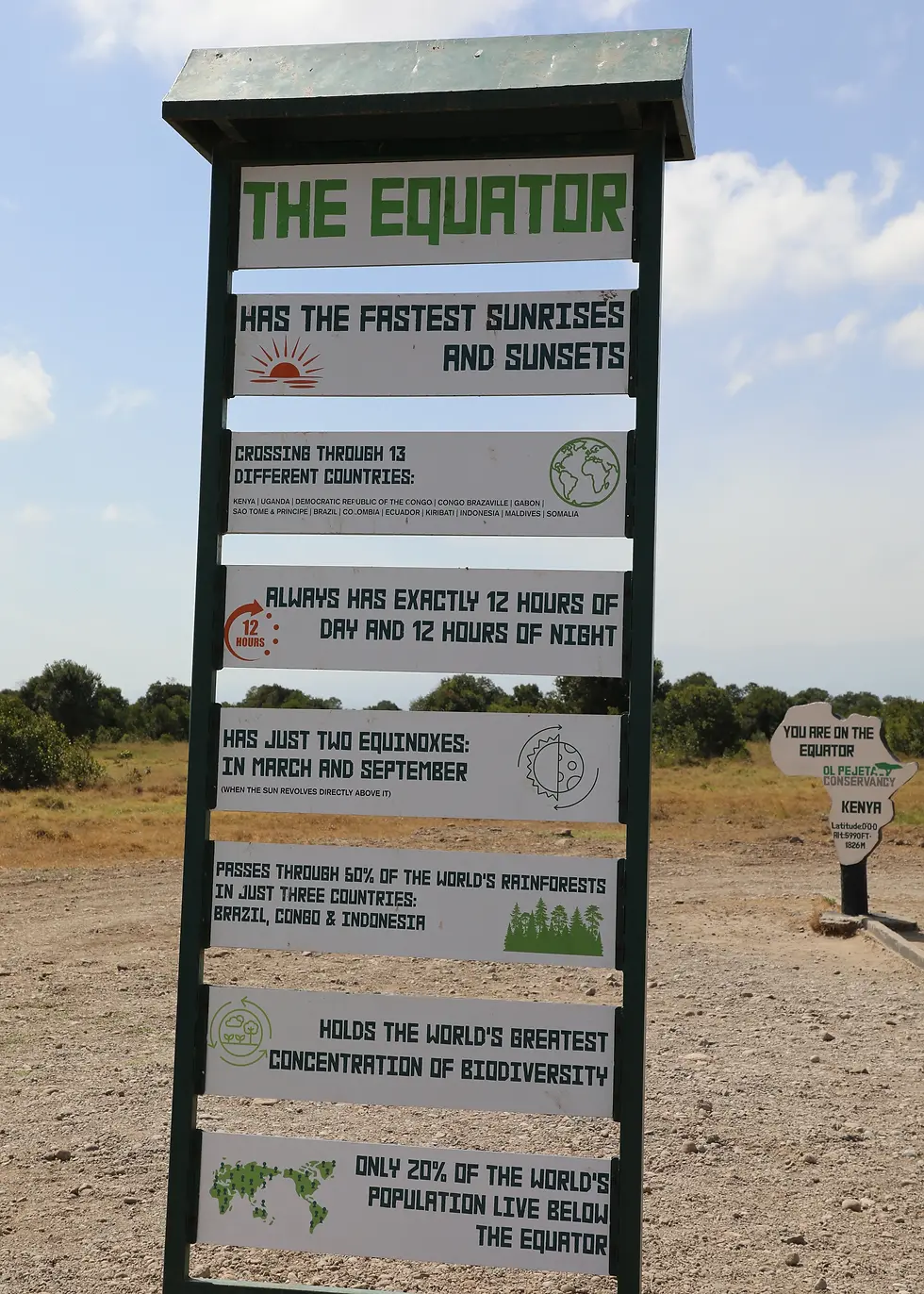
We wrapped our time at Ol Pejeta with a morning game drive and then our driver took us to the west exit of the Conservancy and handed us off to next guide who drove us to Samburu. That drive involved crossing the equator!


Comments