Amboseli National Park

Updated: Aug 6

June 12 – 14

From Samburu, we headed to the south east corner of Kenya to Amboseli National Park on the border of Tanzania.
The flight from the Kalama Airstrip in Samburu took us back to Wilson Areodrome in Nairobi. This time we had to switch airlines. Since every airline at Wilson has its own terminal and hangers which are scattered along the runway; we weren’t quite sure how interesting the logistics would be. Like with everything organized by Audley Travel, it was flawless. Someone greeted us as we stepped off the plane, had us identify our bags which were loaded on a giant hand cart. They then insisted we hand over our backpacks and added them to the cart. We were escorted across the tarmac, out a door and loaded into a waiting car, which drove us the quarter mile to the next terminal. Someone wheeled our bags in and handed them over to that airline. We asked if there was time for us to have lunch in the café and were told that since we were the only people on the flight, they wouldn’t leave without us and pointed us to the cafe (That doesn’t happen in other airports…). We had a lovely lunch, then were escorted through the hanger to our waiting plane. It was a lovely eight seater Cessna with very comfy leather seats.


After the deserts of the north, landing is the green wetlands of Amboseli seemed odd. Amboseli National Park sits on the foothills of Mt Kilimanjaro, which is the highest mountain in Africa. The park is most famous for its elephants. Herds of 30 to 50 are quite common and elephants of this region are genetically predisposed to have giant tusks. The herds spend the nights grazing up the mountain and at daybreak turn and head back down to the wetlands in the Park. This daily ritual makes for some wonderful photo opportunities!


The wetlands of Amboseli are a result of underground rivers created by ancient volcanic activity of Kilimanjaro. Between the mountain and the wetlands is a dry, wind-shaped basin with alkaline soils. It’s odd to be choking on super fine dust and a half mile away is a giant swamp.

Watching the elephants in the swamp was fascinating.


The wetlands in the park provide homes to a wide range of waterfowl.
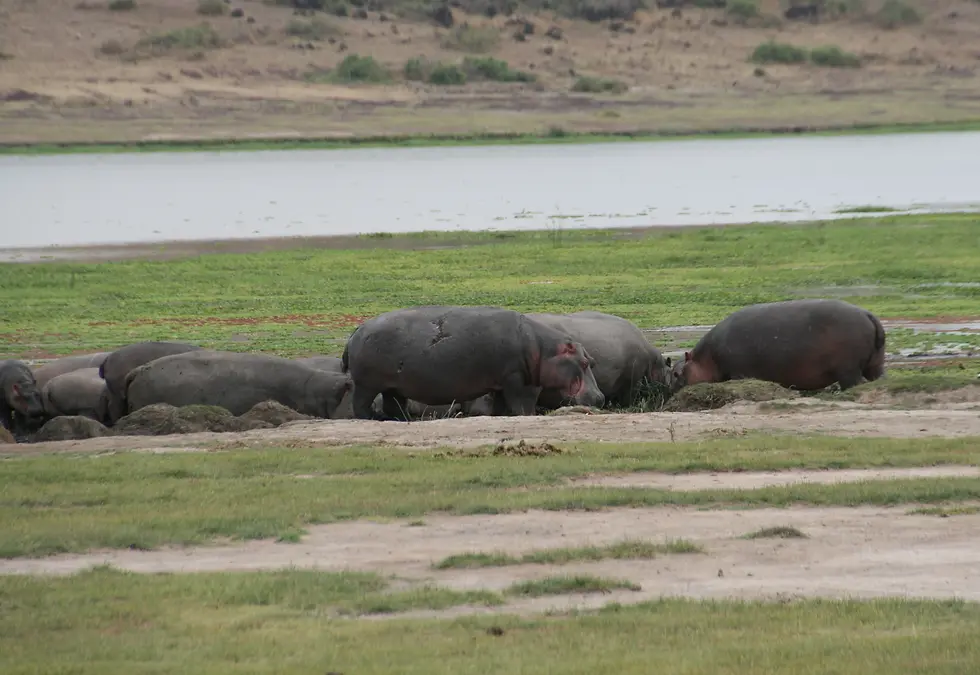
There was a whole lotta hippos in that water.

In addition to the famous elephants, there are plenty of other animals as well.
We enjoyed watching this mama cheetah stalking antelope as she tried to provide dinner for her babies.


The park is home to plenty of Cape buffalo.

The Maasai giraffes have a different color pattern than their reticulated giraffe cousins in the north.
Here's your fun fact for the day: A group of giraffes is called a tower.


Did you know that a herd of zebras is called a dazzle? It's certainly accurate; the auto focus on my camera struggled choosing a focal point when faced with multiple zebras. All the zebras here are common zebras.

Our guide referred to Thompson gazelles as cheetah snacks.


Legend has it that when the great creator got done making all the animals, there were some miscellaneous parts left over. He stuck them together and called it a wildebeest.


We were extremely lucky to see the very illusive honey badger!

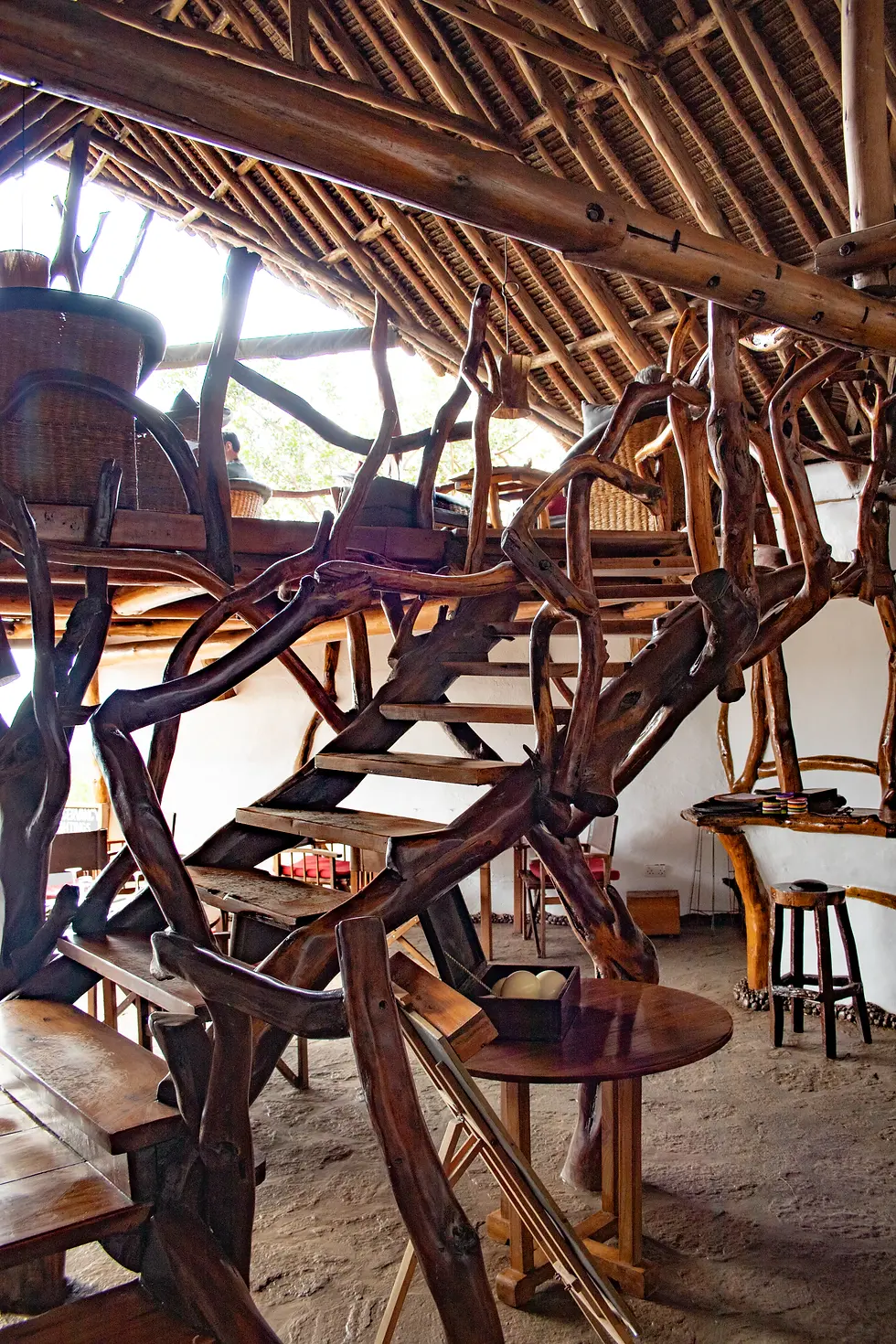
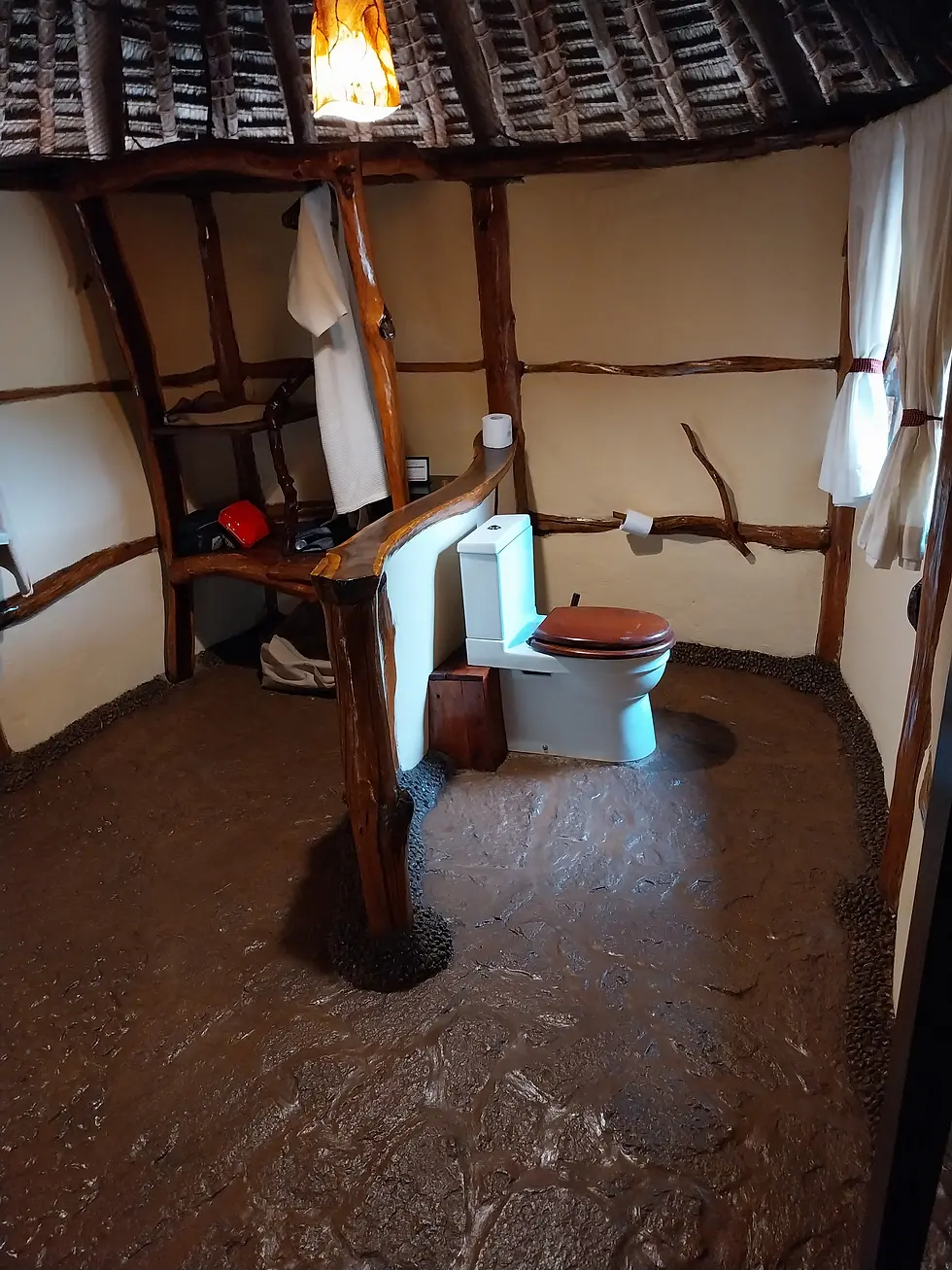
The foothills are home to ample trees which yield gorgeous wood that was used in all the structures in the Elerai Camp.





On the last evening we did a bush walk with our guide. The security escort was a local Masai man with a spear. They assured us that it was perfectly safe... We didn't see any animals and I was good with that. Our guide was a bit apologetic about that, so he made up for it with very enthusiastic identification foot prints and poop. The walk ended in time for the sun to set and we enjoyed cocktails and snacks as the sun set. Sadly it was too dry for the usual camp fire. We were driven back to camp, just so nothing could eat us....


The next morning on the way to the airstrip we saw one of the dreaded hydrax that terrorized us on out first night in Nairobi.

The road to the airstrip was by far the worst we encounter in Africa.


Airports around the world, often have art or educational displays for travels. The Amboseli airstrip offers their own version of educational displays. There is an array of bones to inspect!


We made sure to get pictures of all our guides and their Land Cruisers.

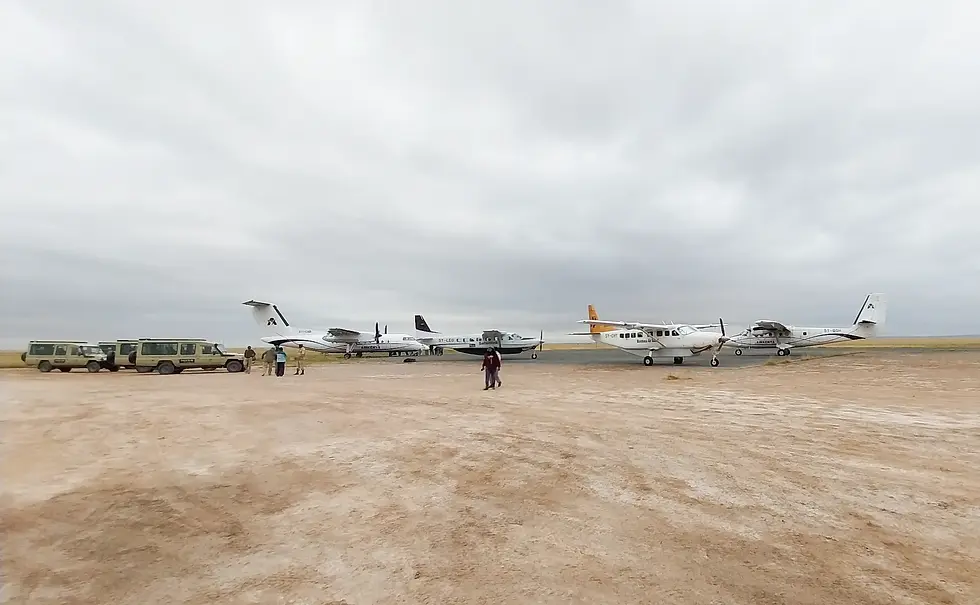
It was a busy morning at the airstrip.
Our previous stops at been in private conservancies and Amboseli is a National Park. There were some stark differences. Conservancies are able to control the number of visitors allowed in each day. Some do not allow private vehicles to enter. The only way you are allowed to enter is with a registered safari guide. All the ones we visited had strict rules on how close vehicles could get to animals and the number of vehicles (usually 5) that were allowed to gather around an animal. Speed limits were strictly adhered to. All of these rules were enforced by the Conservancy staff, and offending guides would be banned from the conservancy.
ANP is open to the general public. Like in the U.S., anyone who drives up to the national park and pays the nominal fee is allowed to enter and drive through the park. Due to its proximity to the coast, Amboseli gets busloads of people on day trips from the cruise ships in Mombasa. Those groups are packed into safari vehicles that race through the park trying to see as many animals as possible during their short visit. It wasn’t uncommon to have 20 vehicles crowded around a group of wildlife. Vehicles raced down treacherous roads leaving an unrelenting haze of fine white dust hanging in the air.
I understand the underlying concept of unlimited public access and appreciate the realities of publicly funded entities. Those realities make me value the conservation work now being taken on by the private conservancies. They can make rules that prioritize proactive wildlife management and raise private funds to invest in their conservation efforts without all the bureaucracy that comes with government control. My advice to anyone considering a safari would be to lean toward the private sector. It was a much more enjoyable experience and allowed us to feel much closer to nature.
Next stop - the Maasai Mara.


Comments